Find the records that prove your Canadian ancestry
Start with the province or territory where your Canadian ancestor was born or naturalized. Each guide covers which office holds which years, who may order, which version shows parents, fees and how to order from the U.S.
Last checked against official sources on .
Atlantic Canada
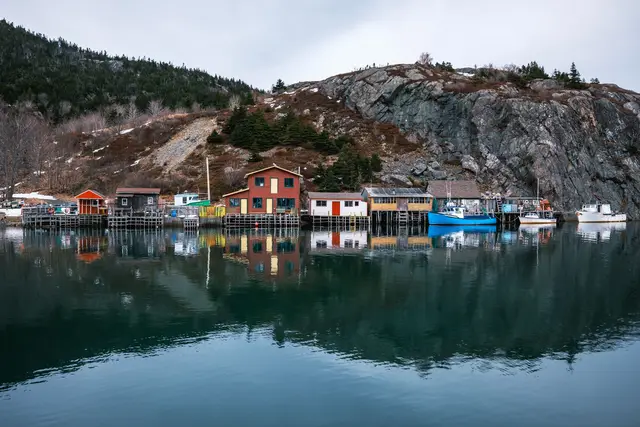
Old registrations online in Nova Scotia; baptisms carry PEI; a dedicated citizenship desk in New Brunswick; 1949 rules in Newfoundland.
Nova Scotia · New Brunswick · Prince Edward Island · Newfoundland and Labrador
Quebec
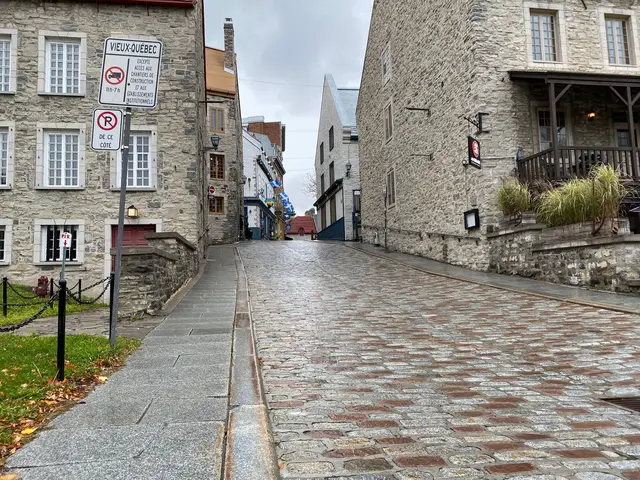
Births were recorded as baptisms until 1994, and IRCC won't take a Quebec certificate issued before then.
Ontario
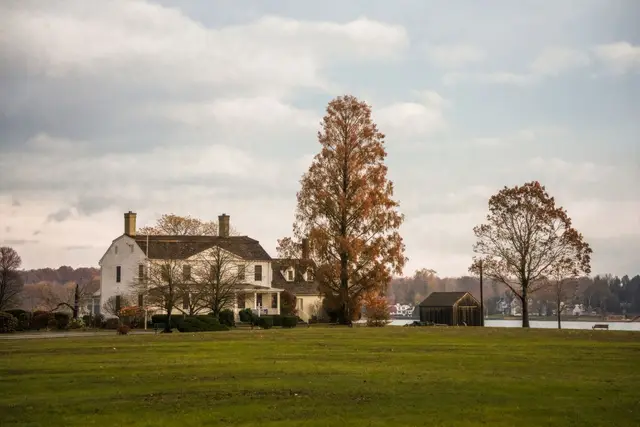
Registrations from 1869 sit at the Archives of Ontario; recent ones go through ServiceOntario.

The Prairies
Three provinces, three systems: one office in Manitoba, eHealth in Saskatchewan, registry agents in Alberta.

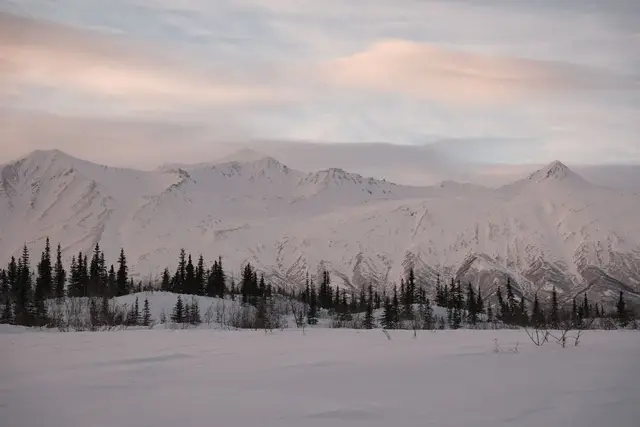
The North
Yukon's broad who-can-apply rule; NWT holds Nunavut's records from before 1999.
How Canadian records are organized
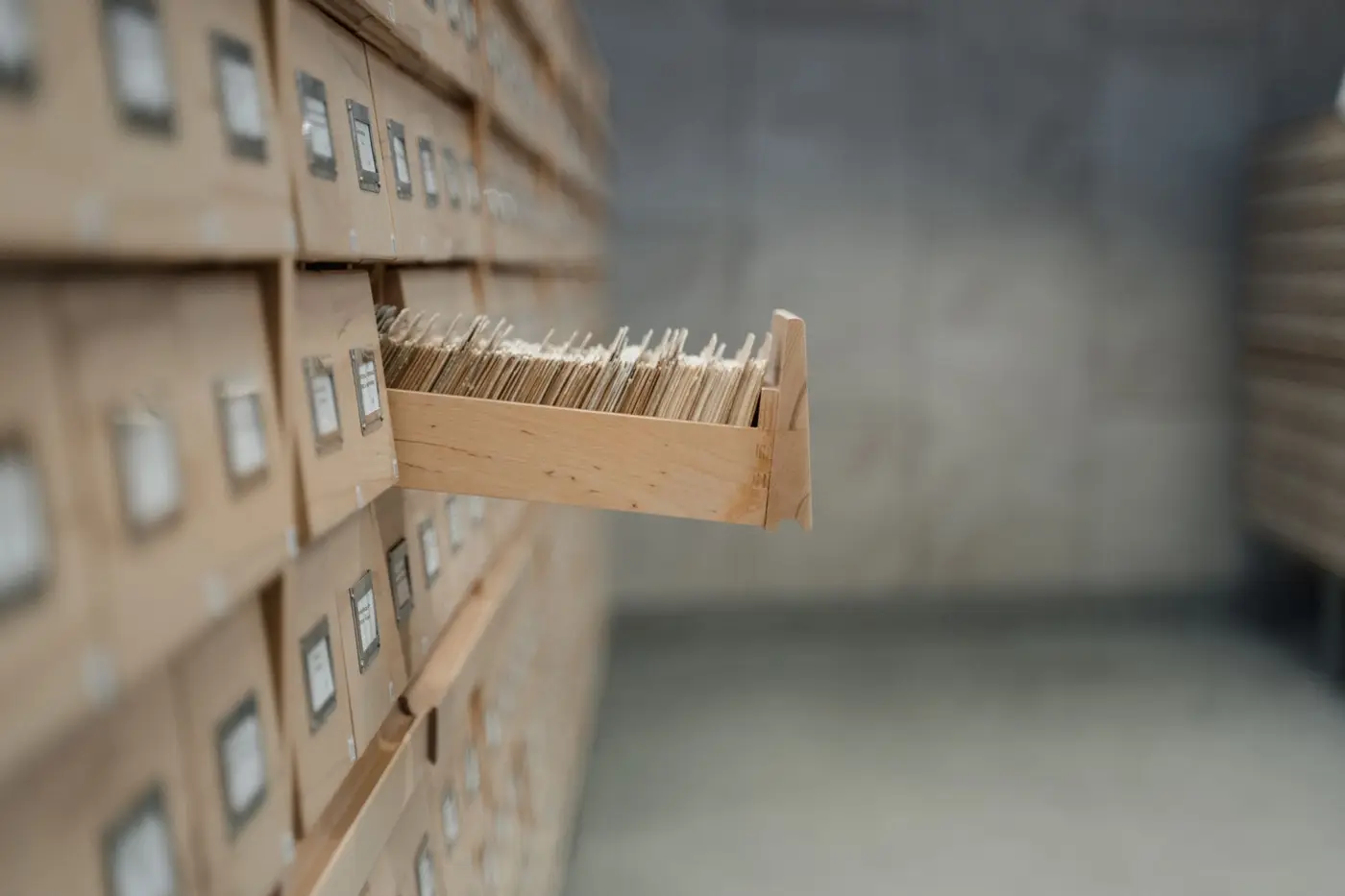
Canada has never had a national office for births, marriages and deaths. Each province and territory registers its own events, decides when old records become public and sets its own fees. When a record is old enough, it usually moves from the province's vital statistics office to its archives, where it's easier to get. The cut-off varies a lot: Nova Scotia releases births after 100 years, Prince Edward Island after 120.
Before civil registration began, and in Quebec until 1994, the record of a birth was a church baptism. IRCC's guide accepts baptismal records, hospital records and some other evidence when a birth certificate doesn't exist, as long as you explain in writing why it's unavailable and show that you tried to get it.
What IRCC wants from each record
- It names the parents. Every link in your chain is a parent-child relationship, so a short-form certificate without parents doesn't do the job.
- It comes from the original authority. IRCC's guide says an application can't be supported only by third-party records. A printout from a genealogy website helps you find a record; it isn't the record.
- It's a clear colour copy. IRCC asks for colour copies of each document, and can ask for originals later.
Records beyond the provinces
- National records: censuses, naturalization lists, World War I service files and IRCC's own citizenship record search.
- The U.S. side of the chain: state birth certificates, naturalization files, Social Security applications and passport records.
- Record types explained: what each kind of record proves, and where it falls short.
This page explains the rules in general terms. It is not legal advice and doesn't assess your case. The Citizenship Act and IRCC's proof of citizenship pages are the final word.