Quebec records for Canadian citizenship by descent
Last checked against official sources on .
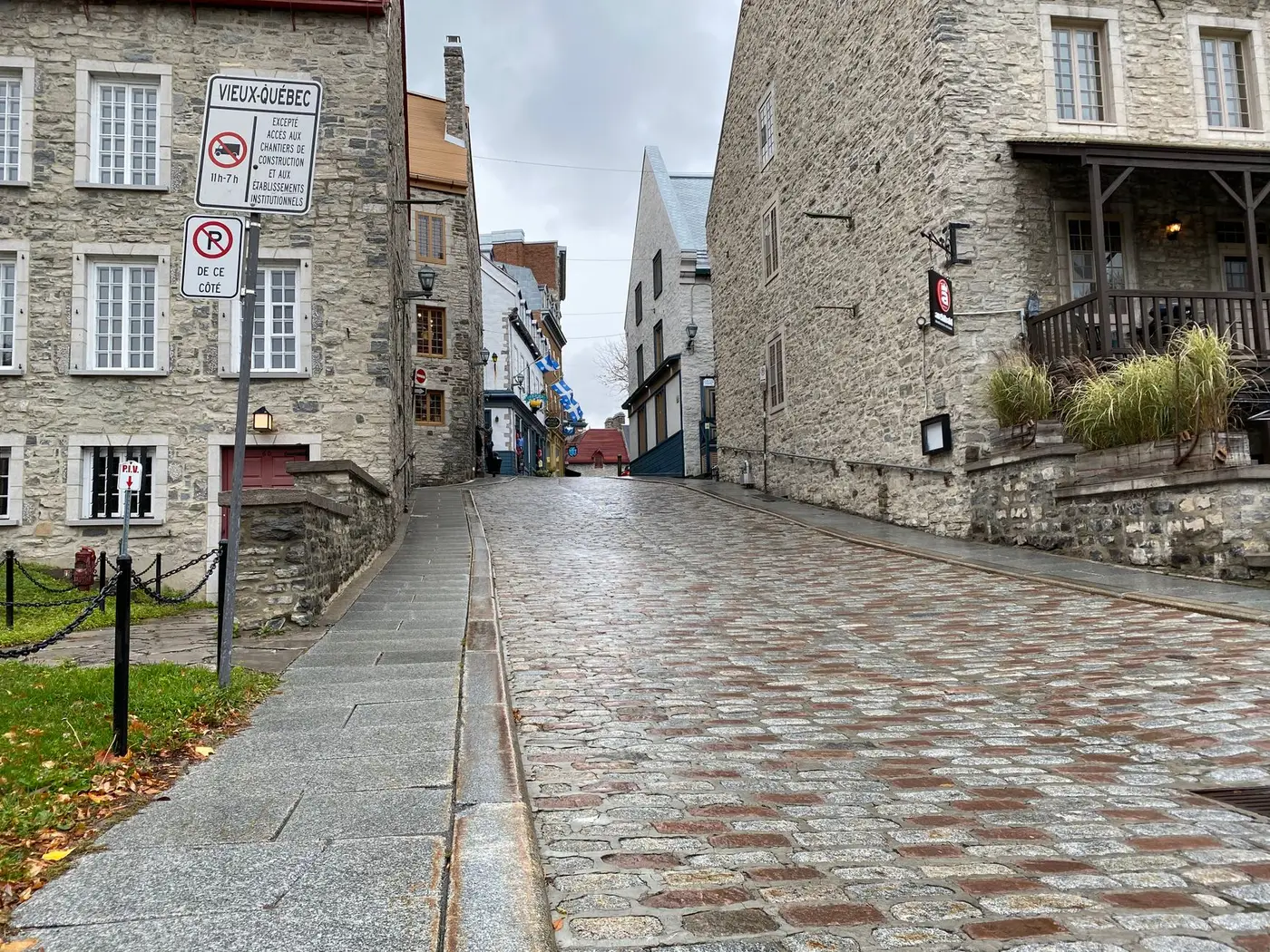
Quebec keeps its records differently from every other province, and IRCC has a specific rule about them. If your Canadian ancestor was born, baptized or married in Quebec, read this before ordering anything.
The rule that catches people: certificates issued before 1994
IRCC's proof of citizenship guide states that it does not accept Quebec birth and marriage certificates issued before January 1, 1994, and tells applicants to contact the Directeur de l'état civil (DEC) for a replacement.
What matters is the date the certificate was issued, not the date of the birth. A certificate printed by the DEC in 2026 for a birth in 1948 is acceptable. A certificate printed in 1975, even an original kept safe in a family Bible, is not.
Before 1994, a birth was a baptism
Quebec had no separate civil birth register until 1994. Births were recorded as baptisms in parish registers, or in municipal registers for some people. So for an ancestor born before 1994, the official record of the birth is a baptism act (acte de baptême), and IRCC's guide lists baptismal records among the documents it may accept.
A baptism act normally names the child, the date of baptism, often the date of birth, both parents (with the mother's maiden name) and the godparents. That is the parent-child link IRCC needs.
Which office, by age of the record
| Age of the event | Office | What it issues |
|---|---|---|
| Within the last 100 years | Directeur de l'état civil (DEC) | A certificate (extract naming the parents) or a copy of act (full reproduction of the entry) |
| More than 100 years ago | Bibliothèque et Archives nationales du Québec (BAnQ) | A certified colour reproduction of the original register entry, back to 1621 |
The DEC notes that information may be missing from certificates for events before 1994. If the extract leaves something out, the copy of act shows the full entry as written.
Who may order from the DEC
People named in the act can order it. For someone who has died, the DEC lets the spouse, children, brothers and sisters order without supporting documents. Grandchildren and later descendants are not in that group. They must explain why they need the act and include a copy of an official document supporting that interest, and the DEC decides. If a son or daughter of your ancestor is living, having them order avoids that step.
Fees and times
| Service | Fee (CAD) |
|---|---|
| DEC certificate, online, standard | $38.50 |
| DEC copy of act, online, standard | $46.75 |
| DEC certificate by mail | $55.00 |
| DEC copy of act by mail | $64.25 |
| DEC accelerated, online | $75.00 |
| BAnQ certified copy, non-resident, first copy | $350 |
| BAnQ, each additional copy | $100 |
| BAnQ letter saying no record was found, non-resident | $350 |
The DEC's fees are listed as in effect until March 31, 2027. Standard service takes about 10 business days plus regular mail. Accelerated service takes 3 business days, but ships by Xpresspost to Canadian addresses only. BAnQ doesn't estimate a time; it handles requests in the order received.
Paying from the United States
- DEC: order online or by mail. Since January 2026 the DEC accepts payment only in Canadian dollars. Applicants abroad pay any private courier costs, duties and taxes.
- BAnQ: requests are accepted only through its online form, not by phone, email or in person. BAnQ sends a quote, and you pay online through a secure link after accepting it.
Before you pay BAnQ's $350
BAnQ charges non-residents the same amount whether it finds the entry or not. Pin down the parish, the date and the exact names first. Indexes and images of Quebec's parish registers, including the Drouin collection, are on subscription genealogy sites and can show you the exact entry. Use them to find it; send IRCC the certified copy from BAnQ or the DEC.
Related
- Quebec ancestors: the full story of the pre-1994 rule
- Baptism and church records
- Example chain: a Quebec great-grandparent
This page explains the rules in general terms. It is not legal advice and doesn't assess your case. The Citizenship Act and IRCC's proof of citizenship pages are the final word.