Record types explained
Not every record carries the same weight. A birth certificate naming parents proves a link; a census entry only supports one. Here's how each type fits.
Last checked against official sources on .
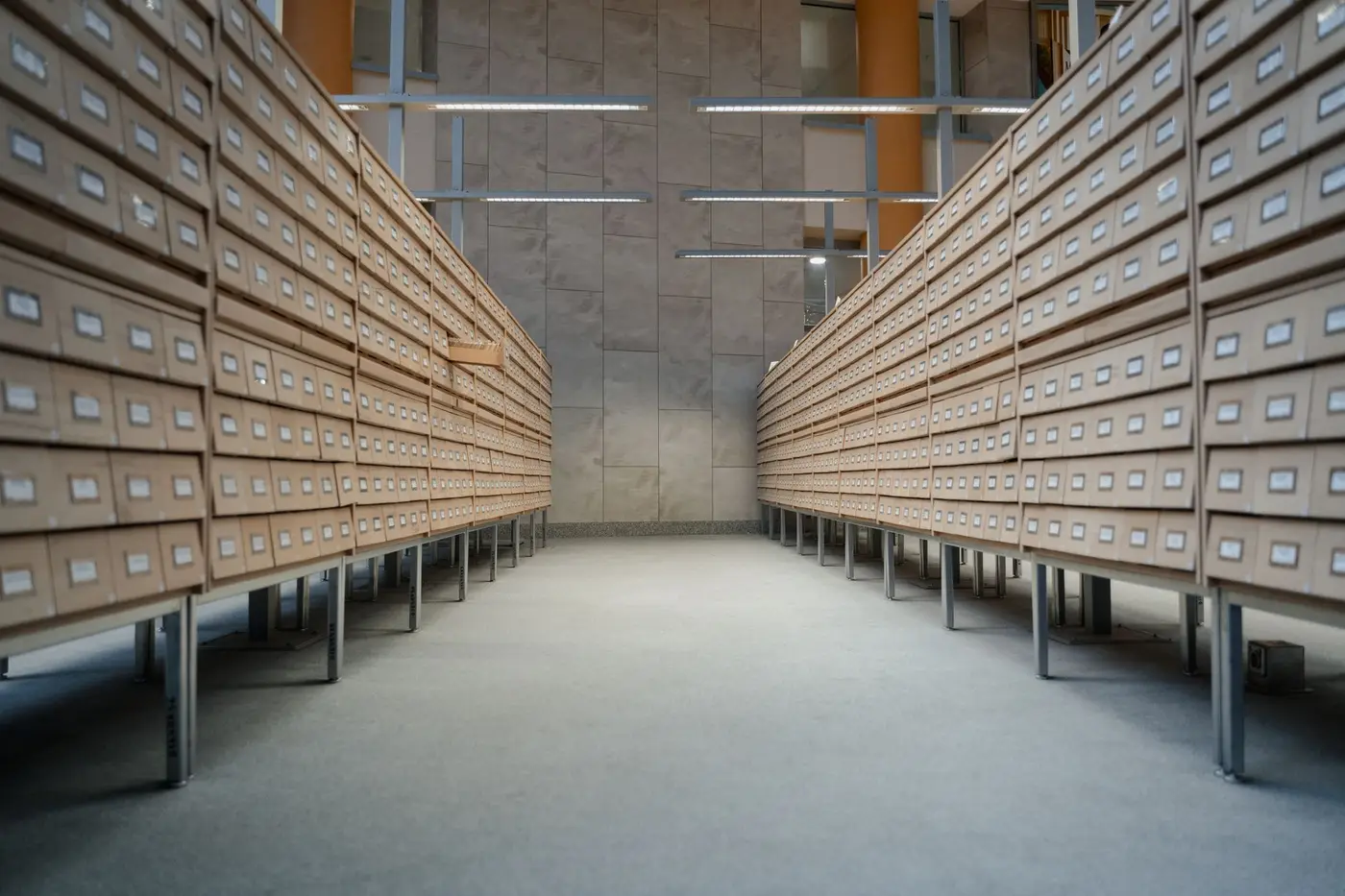
- Birth certificates
Short form, long form, certificate with parental information, certified copy of registration: which birth certificate version IRCC can use, in Canada and the U.S.
- Baptism records
When a church baptism record can stand in for a birth certificate, where Canadian church registers are kept, and how to get a certified copy.
- Marriage records
How marriage records link maiden and married names in a citizenship by descent chain, where Canadian and U.S. marriage records are kept, and what IRCC accepts.
- Death records
How death records support a citizenship by descent claim, why you may need one to order a deceased ancestor's birth record, and where Canadian death records are kept.
- Census records
How Canadian censuses from 1851 to 1931 help you find a Canadian ancestor and support a missing birth record, and why a census can't carry a link on its own.
- Naturalization records
How Canadian naturalization records prove an immigrant ancestor became Canadian, how to find them through LAC and IRCC, and how U.S. naturalization papers support a Canadian birth.
- Military service files
How Canadian Expeditionary Force personnel files from 1914 to 1918, free at Library and Archives Canada, can confirm an ancestor's birthplace and family, and their limits as evidence.
- Passenger lists
How Library and Archives Canada's passenger lists from 1865 to 1935 date an immigrant ancestor's arrival in Canada, and where they fit in a claim through a naturalized ancestor.
Primary and supporting
IRCC's guide asks for proof of parentage and citizenship for each generation, issued by the original authority, and says an application can't be supported only by third-party records. In practice:
- Records that prove a link on their own: a birth certificate or birth registration naming the parents, a baptism record naming the parents, a citizenship or naturalization certificate.
- Records that support or explain: marriage records (for name changes), census entries, death records, border crossings, military files, Social Security applications.
Use the first group for every link. Use the second group to fill gaps, connect names and show that two documents describe the same person.