A Canadian ancestor may already have made you a citizen.
Since December 15, 2025, Canadian citizenship passes through every generation born abroad before that date, not just the first. Proving it takes one document for each person between you and your ancestor, held by different provinces, archives and U.S. states.
- Free, no sign-up
- Every rule linked to its official source
- Not a law firm or government site

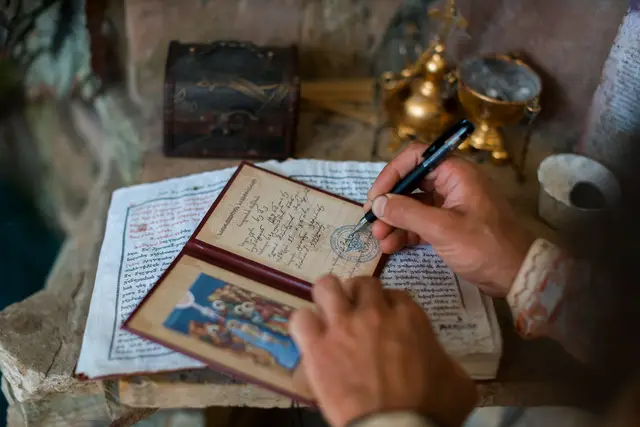
Photo: Suzy Hazelwood on Pexels
Sources: IRCC on the 2025 rules, IRCC citizenship fees, processing time as reported by immigration.ca from IRCC's tool.
Three steps from family story to certificate
Check the rule
Seven questions about your Canadian ancestor show whether Bill C-3 likely reaches you, and through which line.
Eligibility checkGather one record per generation
Each link needs a document naming the parent. The chain builder lists them; the worksheets help you track every request.
Build your document chainApply for proof
The citizenship certificate application, the $75 fee, photos, ID and where to send it from the U.S.
Application steps
Find the record, region by region
Canada has no national birth registry. Each province decides how long records stay closed, who may order them and which version shows the parents.
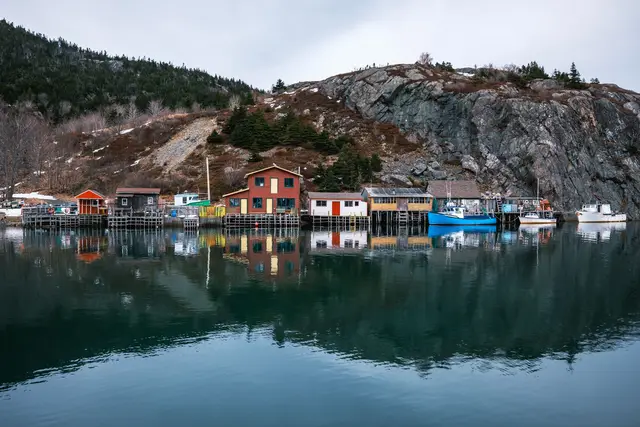
Atlantic Canada
Old registrations online in Nova Scotia; baptisms carry PEI; a dedicated citizenship desk in New Brunswick; 1949 rules in Newfoundland.
Nova Scotia · New Brunswick · Prince Edward Island · Newfoundland and Labrador
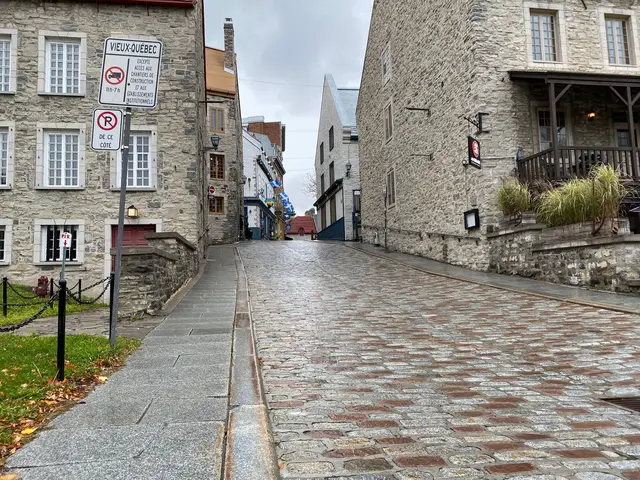
Quebec
Births were recorded as baptisms until 1994, and IRCC won't take a Quebec certificate issued before then.
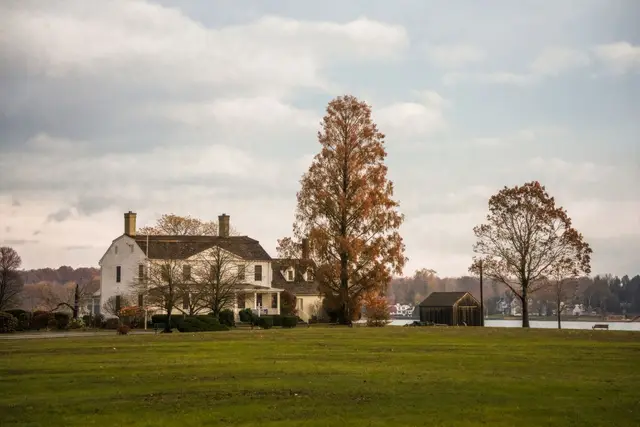
Ontario
Registrations from 1869 sit at the Archives of Ontario; recent ones go through ServiceOntario.

The Prairies
Three provinces, three systems: one office in Manitoba, eHealth in Saskatchewan, registry agents in Alberta.

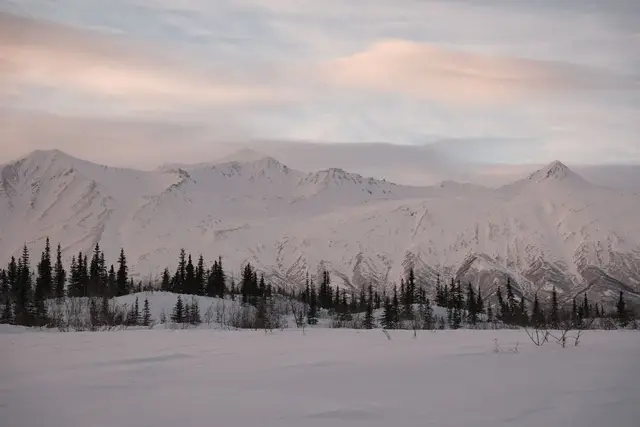
The North
Yukon's broad who-can-apply rule; NWT holds Nunavut's records from before 1999.
National records · The U.S. side of the chain · Record types explained
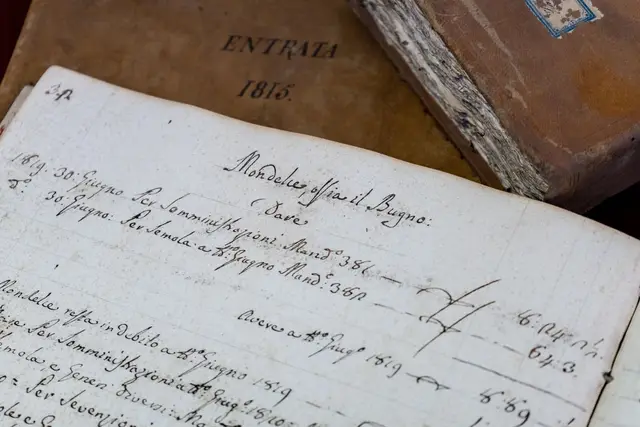
When the family story doesn't fit the form
- Name changes
How to link a birth name to a married name or a changed name for IRCC, which documents prove a name change, and what to do with spelling differences across generations.
- Quebec ancestors
Why IRCC rejects Quebec birth and marriage certificates issued before 1994, how to get current documents from the Directeur de l'état civil or BAnQ, and how Quebec baptism records work.
- Missing birth records
What IRCC accepts when an ancestor's birth certificate doesn't exist or can't be found, how to show you tried, and the records that most often fill the gap.
- Ancestors born before 1947
How a Canadian ancestor born or naturalized before January 1, 1947 can still anchor a citizenship by descent claim, what the 2009 and 2015 changes did, and how to document that era.
- Adoption
How adoption in your family line changes a Canadian citizenship by descent claim, the grant of citizenship for adopted persons, and what Bill C-3 changed for people adopted abroad.
- Newfoundland before 1949
Newfoundland joined Canada on March 31, 1949, so ancestors born there earlier follow a different date. What that means for a citizenship by descent claim and where the records are.
Example chains, from first record to last
Illustrative families, built from the real rules and record offices, showing every document in order.
Ontario grandfather
An illustrative chain for an American whose grandfather was born in Ontario in 1931 and moved to Michigan. Every document, where it comes from, and who can order it.
Quebec great-grandmother
An illustrative four-generation chain through a great-grandmother baptized in Quebec in 1902, including BAnQ's 100-year rule, a maiden-name link and a New Hampshire mill-town family.
Nova Scotia gap years
An illustrative chain through a grandfather born in Nova Scotia in 1895, when the province registered no births, showing how a baptism, a marriage registration and a census fit together.
Keep your research in one place
Printable worksheets for the people in your line, every record request you send, and the documents you've collected. Fill them in by hand or on screen; nothing you type is sent to us.
Rule watch
- Americans file more descent applications than any other country
Data reported in 2026 shows U.S. citizens filed far more Canadian citizenship by descent applications than anyone else, before and after Bill C-3.
- Bill C-3, almost a year on: what changed on December 15, 2025
A plain summary of what Bill C-3 changed for Canadians born abroad, who it reached, and the two rules it set, one for people born before December 15, 2025 and one for children born after.
- Canadian passport fees went up on March 31, 2026
New Canadian passport fees for adults and children applying from outside Canada, in effect since March 31, 2026, and what they mean for newly confirmed citizens.
- IRCC updates its urgent processing guidance for citizenship certificates
IRCC revised its guidance on urgent proof of citizenship requests on September 28, 2026. The reasons it accepts, and how urgent requests fared in Bill C-3's first months.
What it costs
Doing it yourself costs the $75 CAD government fee per person plus the records you order. Consultants and law firms publish fees in the thousands.
Common questions
Do I have to live in Canada? Can my spouse claim? Can I vote?