Census records: finding your Canadian ancestor and backing up gaps
Last checked against official sources on .
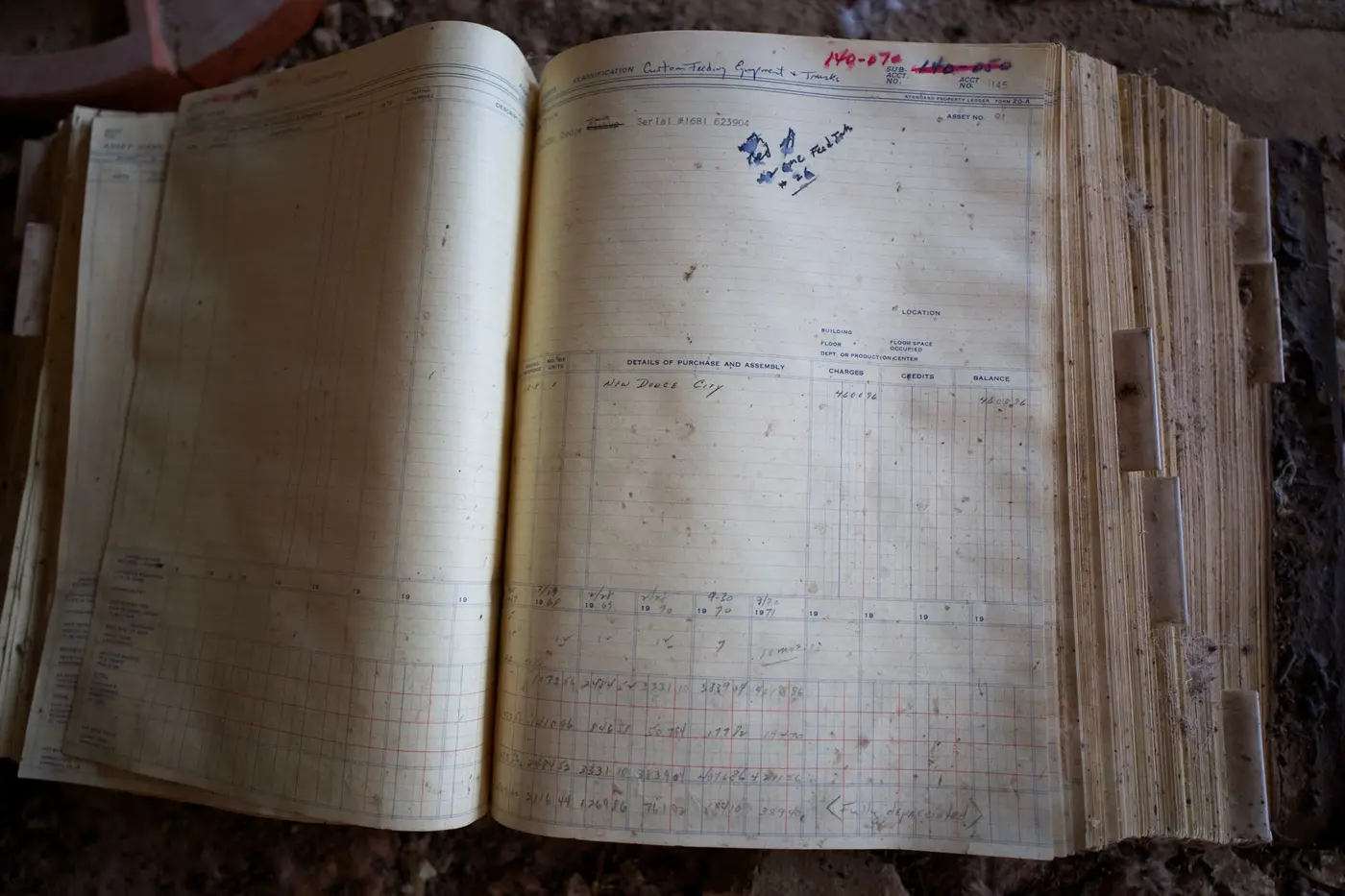
Censuses are usually where the search starts. They tell you whether a family was really in Canada, in which province and county, and roughly when each child was born. That tells you which archive to ask for the birth record.
See the census year guides for what each census from 1871 to 1931 recorded.
What's available
Library and Archives Canada (LAC) hosts Canadian censuses from 1851 through 1931, free online. The 1931 census was released in June 2023 after a 92-year closure. On that same 92-year rule, the 1941 census would follow in 2033.
What a census proves
A census shows a household on a date: names, ages, relationships to the head, and in many years birthplace and year of immigration. That's useful in three ways:
- Finding the ancestor: confirming that great-grandpa was born in Ontario, not Michigan.
- Pointing to the right office: province and county decide where the birth record is.
- Supporting a missing record: IRCC's guide lists census records among the substitutes it may accept when a birth certificate isn't available.
What it doesn't prove
A census isn't a birth record, and the details were whatever the household told the enumerator. IRCC's guide says an application can't rest only on third-party records. Use a census alongside a birth or baptism record, or with your written explanation and proof of your search when those don't exist.
U.S. censuses help too
U.S. federal censuses from 1900 to 1950 recorded birthplace and, in several years, year of immigration and naturalization status. They're often the first sign that an American ancestor was born in Canada.
This page explains the rules in general terms. It is not legal advice and doesn't assess your case. The Citizenship Act and IRCC's proof of citizenship pages are the final word.