First World War service files as supporting evidence
Last checked against official sources on .
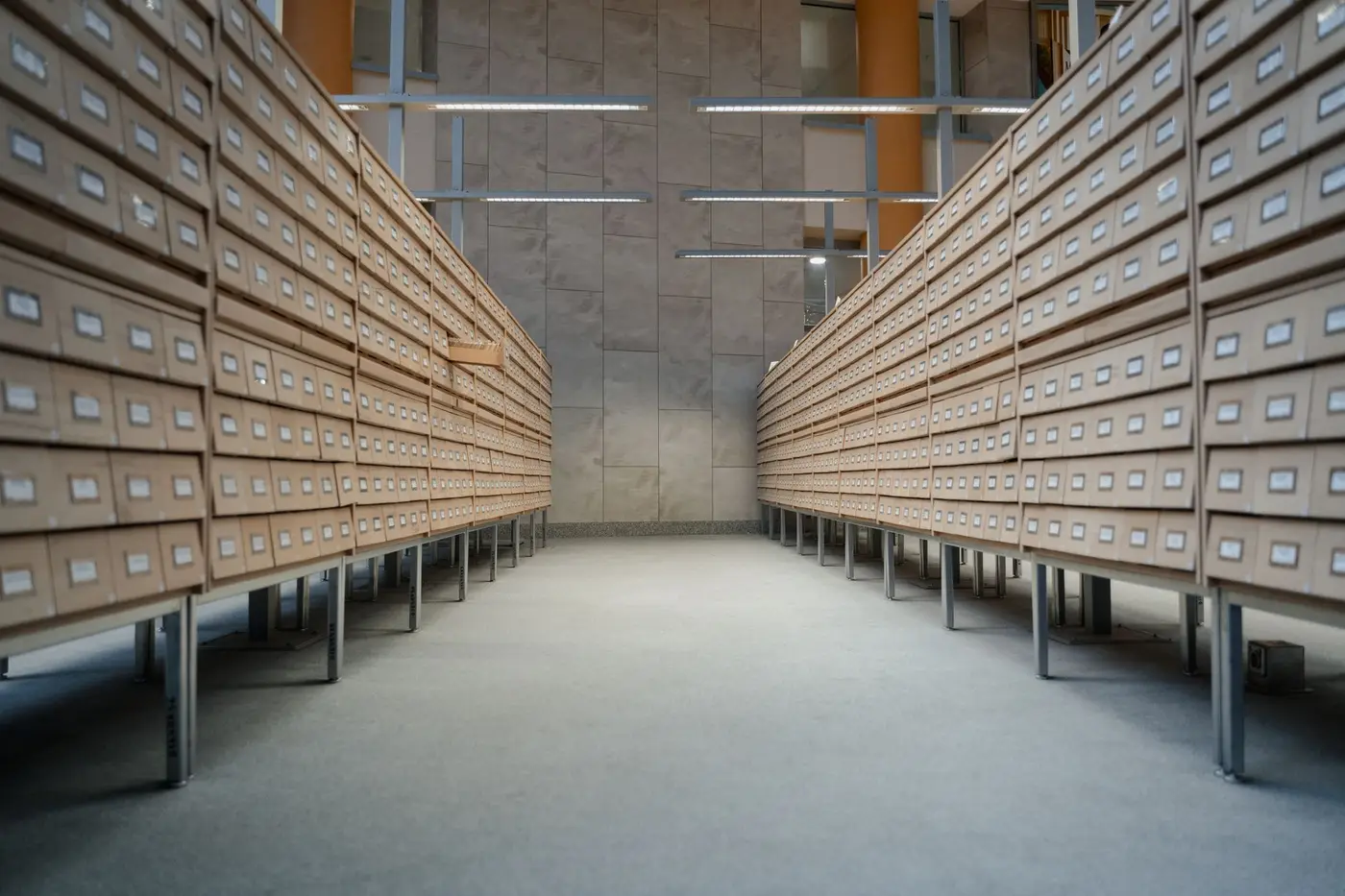
If a Canadian ancestor served in the First World War, their personnel file is one of the richest free records you can find. Library and Archives Canada (LAC) has digitized the Canadian Expeditionary Force (CEF) personnel files for 1914 to 1918 and makes them searchable at no cost.
What a file usually contains
The attestation paper, signed on enlistment, typically records:
- full name and date of birth;
- place of birth;
- next of kin and their address;
- a physical description;
- occupation and religion.
Later pages can include medical records, pay records and correspondence with the family, sometimes naming a wife and children.
How it helps a citizenship claim
- Confirming the right person. A birthplace and birth date on the attestation help you match the ancestor to the right provincial birth or baptism record.
- Linking family members. Next-of-kin entries and pay assignments can name parents, a spouse or children.
- Supporting a missing birth record. IRCC's guide allows other evidence when a birth certificate isn't available, with a written explanation and proof of attempts. A service file can be part of that supporting evidence.
Its limits
The birthplace on an attestation is what the soldier stated. Some men gave a different age or birthplace to enlist. IRCC's guide also says an application can't rest only on third-party records. Use the file to support and confirm, and keep looking for the birth or baptism record itself.
Getting a copy
The digitized file is free to view and download from LAC. LAC is the original holder of these records, so a copy from LAC's collection is from the authority that holds the original.
Related
This page explains the rules in general terms. It is not legal advice and doesn't assess your case. The Citizenship Act and IRCC's proof of citizenship pages are the final word.