Ancestors born before 1947, when Canadian citizenship didn't yet exist
Last checked against official sources on .
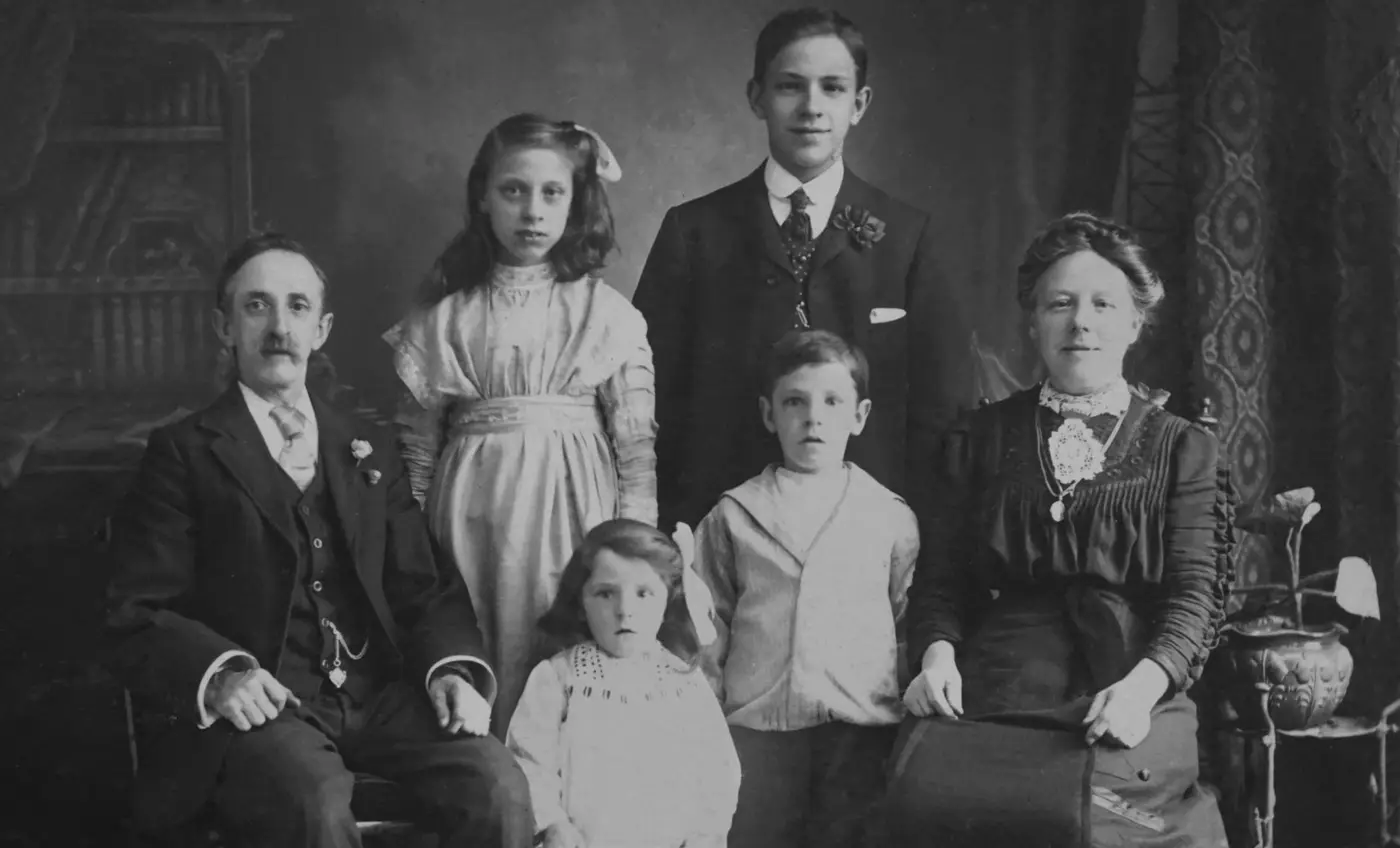
Canadian citizenship as a legal status began on January 1, 1947, when the Canadian Citizenship Act came into force. Newfoundland and Labrador joined Canada later, so its date is April 1, 1949. Before those dates, people born in Canada were British subjects; Library and Archives Canada notes that British subjects by birth didn't need to naturalize.
If your Canadian ancestor was born long before 1947, you might wonder whether they were ever "Canadian" in the legal sense. For most families, the answer after the 2009 and 2015 amendments is yes.
What the 2015 changes did
According to IRCC, the 2015 changes made citizens of several groups who had fallen through the cracks of the 1947 Act, including:
- people born or naturalized in Canada before January 1, 1947 (April 1, 1949 in Newfoundland and Labrador) who stopped being British subjects without becoming citizens on that date;
- British subjects ordinarily living in Canada who weren't eligible for citizenship on January 1, 1947;
- people born abroad in the first generation before 1947 to a qualifying parent; and
- certain foreign-born people adopted by a parent who became a citizen on January 1, 1947.
What the 2009 changes did
The 2009 changes gave citizenship back to people who lost it after becoming citizens on January 1, 1947, or after being born or naturalized in Canada from that date. The most common way people lost it was by taking another country's citizenship, which the 1947 Act treated as giving up Canadian citizenship until 1977.
How that reaches you
Bill C-3 then removed the first-generation limit for people born abroad before December 15, 2025, and IRCC says the new rule also applies to people born to someone who became Canadian because of these changes. Put together: a great-grandfather born in Ontario in 1880 who moved to Michigan can still be the start of your chain, as long as nobody in the line formally renounced and no other exclusion applies.
What the exclusions are
IRCC's summary says the 2009 and 2015 changes don't give citizenship to anyone who renounced it with the Canadian government, or whose citizenship or British subject status was revoked for fraud. The 2009 changes also exclude people who didn't become citizens on January 1, 1947, a group the 2015 changes then partly covered. Edge cases from this era, such as women who married non-British husbands before 1947, are exactly where a licensed professional's review earns its fee.
Documenting this era
Records before about 1900 are mostly church registers, provincial archives and censuses. Expect to rely on baptism records and to explain any gaps, as described in missing birth records.
This page explains the rules in general terms. It is not legal advice and doesn't assess your case. The Citizenship Act and IRCC's proof of citizenship pages are the final word.