Newfoundland and Labrador ancestors born before 1949
Last checked against official sources on .
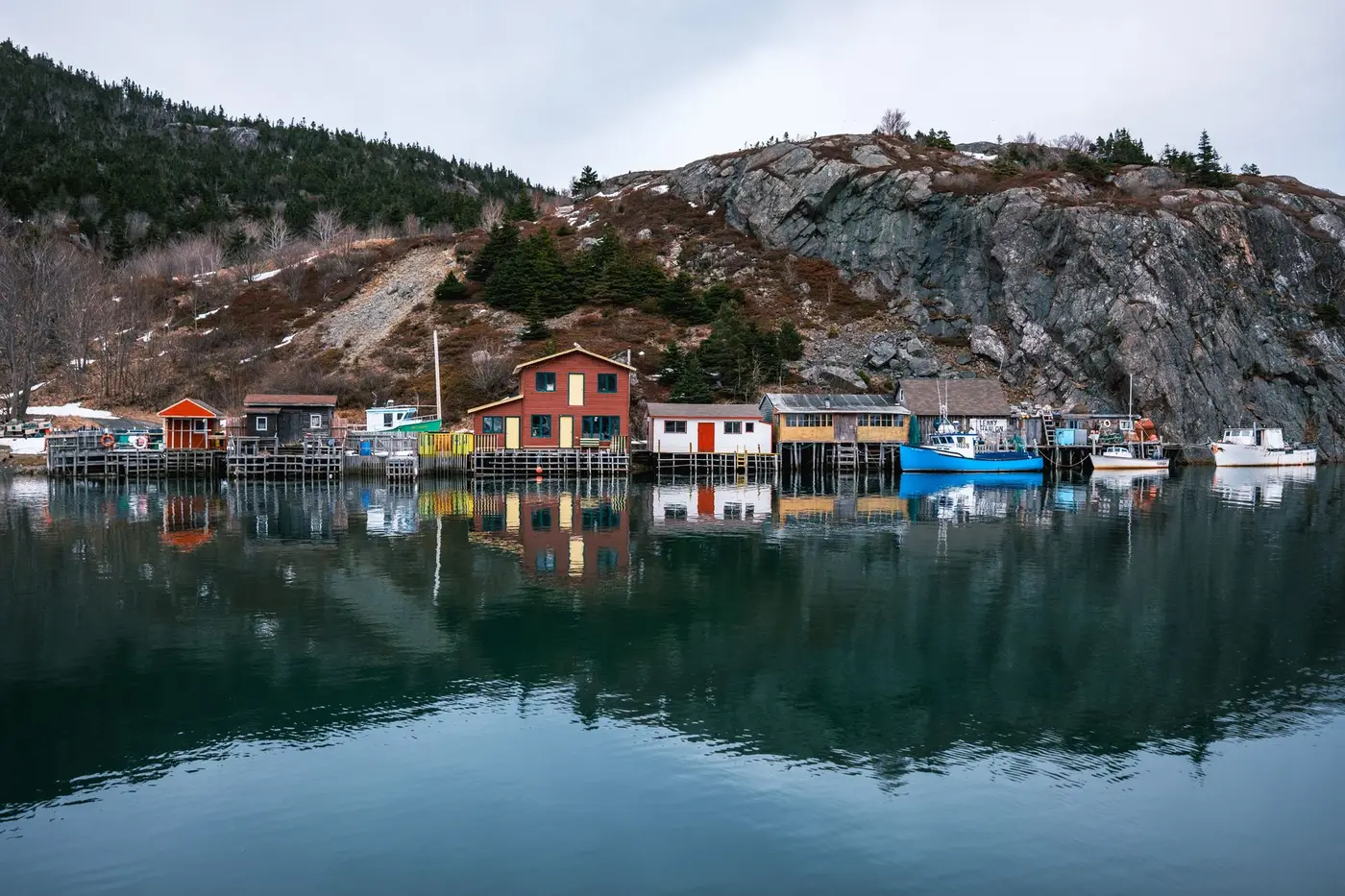
Newfoundland, with Labrador, was a separate dominion until it joined Canada on March 31, 1949. An ancestor born in St. John's in 1920 wasn't born in Canada in the legal sense at the time; they became Canadian when Newfoundland did.
The date that matters
Where the rest of Canada uses January 1, 1947 as the start of citizenship, IRCC's description of the 2015 changes uses April 1, 1949 for Newfoundland and Labrador. People born or naturalized there before that date who stopped being British subjects without becoming citizens were among those the 2015 changes made citizens.
For most families this means a pre-1949 Newfoundland ancestor can anchor a chain much as a pre-1947 ancestor elsewhere can. The same exclusions apply: a formal renunciation or revocation for fraud. Because the Terms of Union rules are specific, have a licensed professional check the case if anything about the ancestor's status around 1949 is unusual, such as living abroad at the time.
Where the records are
- Births, marriages and deaths before 1950: The Rooms Provincial Archives, which holds the vital statistics collections from before 1892 and from 1891 to 1949.
- Before 1891: church registers are the main source, since civil registration began that year.
- After 1949: the province's Vital Statistics Division. The long-form birth certificate is the version that includes parents.
See the Newfoundland and Labrador record guide for fees and who can order.
This page explains the rules in general terms. It is not legal advice and doesn't assess your case. The Citizenship Act and IRCC's proof of citizenship pages are the final word.