Name changes in your family line, and how to document them
Last checked against official sources on .
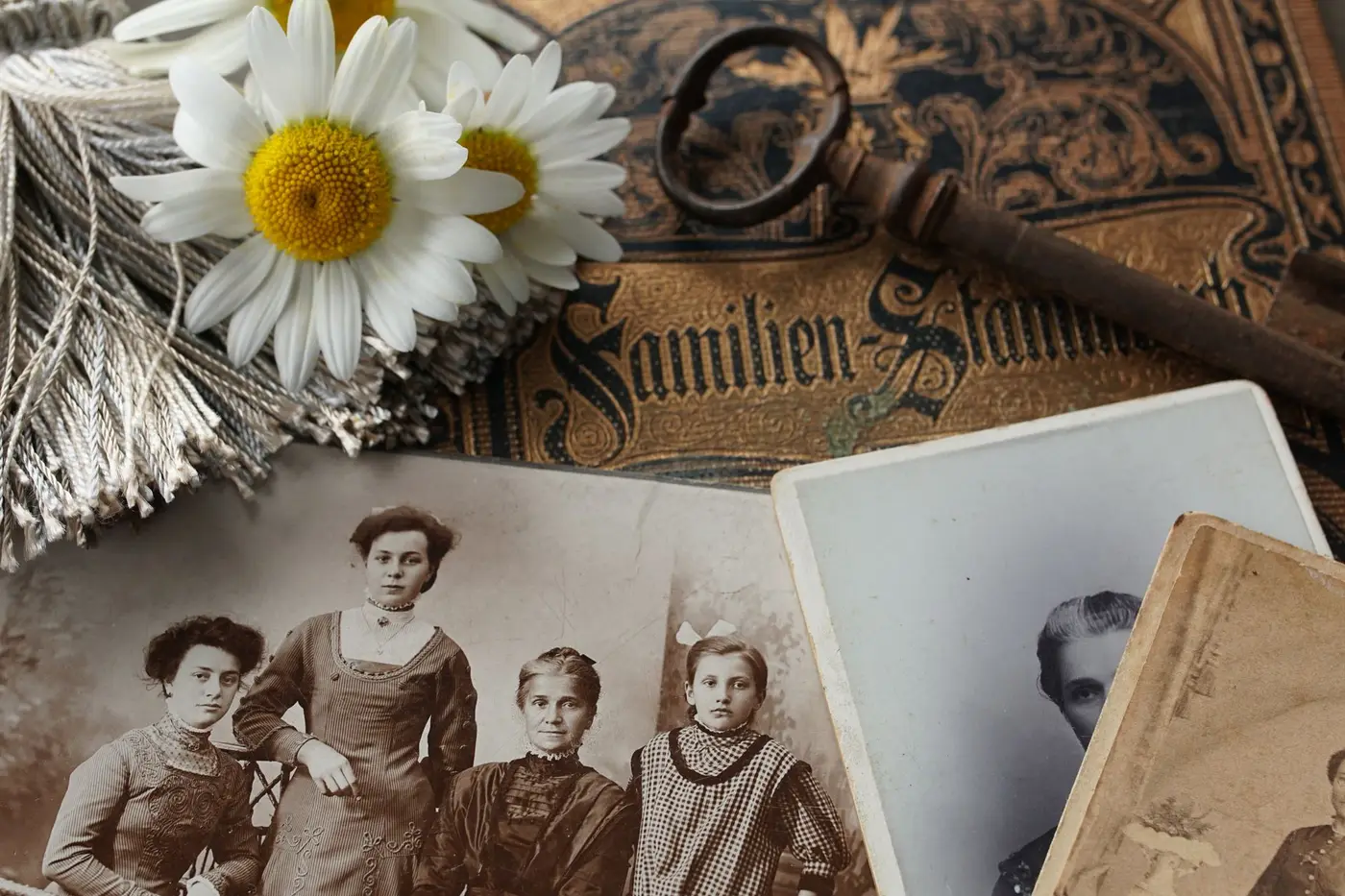
Almost every chain has at least one name change, usually a woman's surname at marriage. IRCC needs to see that the person on one document is the same person on the next, so every change needs its own linking document.
What links two names
IRCC's guide sets out which documents prove a name change:
- Family name changes at marriage, divorce or similar unions are shown with the marriage certificate, divorce decree or union document. IRCC accepts these only for family names, not for changes to a first name.
- Legal name changes in Canada need a document showing both the old and new names, such as a legal change of name certificate, a court order or an adoption order.
- Name changes outside Canada for your own certificate need a foreign passport in the new name, a document linking the old and new names, and photo ID in the new name.
For ancestors, the practical rule is simple: for each person whose surname differs between their birth record and the next generation's document, add the marriage record or court order that connects the two.
Spelling differences
Older records often spell the same name several ways: Tremblay and Tramblay, MacDonald and McDonald, a French given name anglicized in the U.S. IRCC's guide doesn't set a rule for spelling variants. A careful approach is to make sure the other details line up (dates, places, parents' names) and to include a short written explanation of the variants, pointing to the documents that show the same person. If a difference is large, such as a completely different first name, look for a record that shows both, like a later marriage record, an obituary or a delayed birth registration.
Your own name
If your current name differs from your birth certificate, include your marriage certificate or court order. Once IRCC starts processing, it only changes the name on your application for an administrative error or a legal change of name.
Common traps
- A U.S. birth certificate listing the mother under her married name rather than her maiden name. The marriage record still needs to link her to her own birth record.
- Second marriages. If your grandmother remarried, you may need both marriage records to trace the name back to her birth.
- Religious names and baptismal names that differ from the name used in daily life, common in Quebec records.
This page explains the rules in general terms. It is not legal advice and doesn't assess your case. The Citizenship Act and IRCC's proof of citizenship pages are the final word.